Green Transition in the Chemical Industry: Turning Pressure into Growth Momentum
Driven by the imperatives of sustainable development and the Net-Zero emissions commitment by 2050, chemical enterprises are accelerating their green transition, embracing it as an opportunity to enhance competitiveness and integrate more deeply into global supply chains.
Green transformation requires a new mindset and clean technologies
As one of the foundational industries, the chemical sector plays an irreplaceable role in industrial manufacturing, agriculture, consumer goods, and technological innovation. It also makes significant contributions to economic growth, job creation, and energy security. However, due to its high consumption of energy and fossil fuels, combined with elevated emission levels, the chemical industry is under immense pressure as the world accelerates its green transition toward a circular economy and carbon neutrality.
According to the Ministry of Industry and Trade, the chemical industry currently contributes approximately 10-11% of the industrial GDP. The sector's labor productivity is higher than the industrial average, standing at around 120 million VND per worker per year. Nevertheless, the majority of domestic enterprises still focus primarily on basic products, utilizing outdated technologies that lead to high raw material consumption and a heavy reliance on imports.
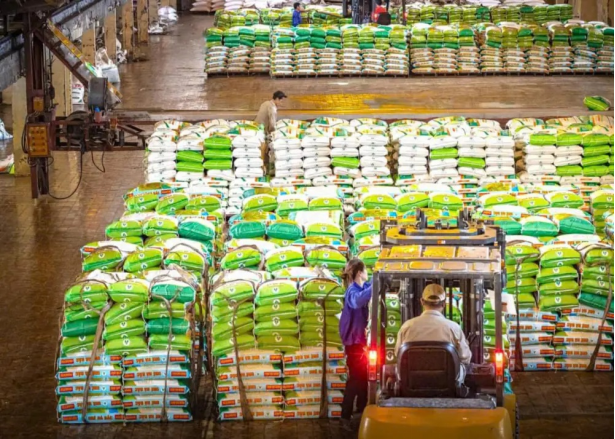
Green transformation in the chemical industry must focus on green technology innovation, emission reduction, lower fuel consumption, and labor productivity enhancement. (Illustrative image)
Against this backdrop, green transformation is becoming an inevitable trend. Enterprises must consider technological upgrades, production process optimization, the use of renewable raw materials, energy conservation, and greenhouse gas emission reductions. Particularly, for resource-intensive sectors such as fertilizers, detergents, paints, rubber, and plastics, the demand for greening has become increasingly urgent.
Mr. Phung Ngoc Bo, Head of the Technical Department of the Vietnam National Chemical Group (Vinachem), remarked: “Eliminating impurities from raw materials and reducing consumption norms not only saves costs but also contributes to emission reduction, enhances energy efficiency, and improves the environment.”
One of the prominent issues is the inefficient use of inorganic fertilizers, which causes soil and water pollution. According to Mr. Phung Ha, Chairman of the Vietnam Fertilizer Association, Vietnamese farmers use an average of up to 400 kg of fertilizer per hectare annually, three times higher than the global average. Meanwhile, only about 45% of the fertilizer is absorbed by crops, with the remainder lost to the environment. “Green transformation in the fertilizer industry is not just about upgrading manufacturing processes; it requires a fundamental shift in usage mindset, moving toward energy-saving, eco-friendly, and higher-efficiency products,” Mr. Ha emphasized.
Furthermore, a major hurdle for enterprises in the industry today is that the investment cost for clean technology remains high, support policies for the transition are still fragmented, and there is a lack of a specific regulatory framework to measure and evaluate the level of "greenness" throughout the entire production chain.
Enterprises proactively take the lead in the green race
Within the overall industry landscape, the Vietnam National Chemical Group (Vinachem), a sector leader, is aggressively implementing its sustainable development strategy with a series of solutions aimed at substantive and long-term green transformation.
At the Danang Rubber Joint Stock Company (DRC), a subsidiary of Vinachem, the concept of a "green factory" has been materialized through practical actions: reducing power consumption, recycling water in production, thoroughly treating emissions, and utilizing rubber waste for recycling. The application of the ISO 14001 environmental management system and eco-friendly product certifications are helping DRC enhance its access to stringent export markets such as the European Union (EU), Japan, and the United States.
The Group also aims to reduce CO₂ emissions by at least 5% during the 2025-2030 period compared to the 2024 baseline, increase the share of renewable energy utilization to 10%, and progress toward carbon neutrality by 2050. Concurrently, Vinachem is investing heavily in Carbon Capture and Storage (CCS) technologies, as well as recycling industrial solid waste—such as phosphogypsum, rubber, and spent batteries—into new raw material inputs.
“We identify green transformation as a mandatory requirement to enhance competitiveness and ensure sustainable integration into the international market,” stated Mr. Nguyen Tuan Dung, Deputy General Director of Vinachem. He emphasized that the group is digitizing emission monitoring stages and building a transparent data platform to serve ESG assessments, preparing to participate in the carbon credit market in the future.
In addition to internal efforts, Vinachem focuses on collaborating with domestic and international research organizations and technology experts to drive innovation. The training of a green workforce, with a deep understanding of environmental technology and emission standards, is also being accelerated to serve the long-term development strategy.
Green transformation is a long and challenging journey for Vietnam's chemical industry. However, with the proactivity of enterprises, the companionship of professional organizations, and well-directed support policies from the State, the chemical sector can fully transform into a modern, efficient, and eco-friendly industry, contributing to the nation's sustainable development goals.
Source: vietq.vn